
21 Experts tips on how to be tanned this summer without burning
Are you dreaming of a beautiful, golden glow this summer but worried about the risks of a nasty sunburn? You’re not alone. I know you’re searching for answers on how to be tanned this summer without damaging your skin, and you’ve come to the right place.
As someone who grew up in the seaside town of Trieste, Italy, spending my summers on the beach, I thought I knew everything there was to know about getting the perfect tan. I quickly learned I was wrong.
The hard truth is that a tan is a sign of skin damage, and all those hours in the sun without proper protection can lead to serious health issues. This became a harsh reality for me when my father got skin cancer on his back from sun exposure.
It was a wake-up call that made me re-examine everything I knew about sunbathing. I decided to stop taking risks and start taking care of my skin. I visited a dermatologist in Italy to learn how to sunbathe safely and spent countless hours researching expert-backed advice, from reputable websites like the Skin Cancer Foundation and the American Academy of Dermatology, to find the best tips.
This guide is the result of that journey. Here, I’ll answer the questions we all have, from when is the best time to tan (spoiler alert, it is not during lunchtime) to how long should I tan (4 hours is the maximum a day, not the whole day as many do).
We’ll bust common myths, such as whether you can tan without sunburn (yes, you can), and I will share my proven secrets for achieving a gorgeous, worry-free glow.
Let’s make this the summer you get your best tan ever, the healthy way.

A “Quick Sun-Safety Checklist”:
To help you remember all these tips, I’ve put together a quick checklist for you. This is the ultimate best way to tan on holiday and the final answer to how do I tan and not burn. Before you head out, just do a quick mental check and you’ll be on your way to a flawless and healthy glow!
- Apply Sunscreen: Put on a generous amount of SPF 30 or higher before going outside and reapply every two hours, especially after swimming.
- Avoid Peak Hours: Plan to be in the shade between 10 a.m. and 4 p.m.
- Hydrate, Hydrate, Hydrate: Drink plenty of water throughout the day.
- Wear a Hat & Sunglasses: Protect your face, eyes, and scalp from direct UV rays.
- Don’t Fall Asleep: Use a timer to ensure you’re aware of how long you’ve been in the sun.
- Exfoliate & Moisturize: Prepare your skin before your holiday and keep it hydrated every day.
A Medical Disclaimer: This article is intended for informational purposes only and is not a substitute for professional medical advice. The tips and information provided here are based on general best practices for sun safety. Always consult with a qualified healthcare professional, such as a dermatologist, before making any decisions about your health, especially if you have a history of skin cancer or other skin conditions.

What do I know about the perfect tan?
Growing up 200 meters from the beach in Muggia, a charming little town near Trieste on Italy’s northeastern coast, these were the sights and sounds of my summer symphony. Sun-kissed days were the norm, my skin a testament to countless hours spent basking on the warm Italian shore.
Fast-forward to the present, and I find myself a world away, a Londoner by adoption since 2013. The vibrant energy of this cosmopolitan city is undeniable, but the temperamental British weather leaves much to be desired when it comes to achieving a bronzed skin tone. Precious beach days are a fleeting luxury, unlike the seemingly endless Italian summer.
This stark contrast sparked a quest for sun-kissed solutions. How, I wondered, could I replicate that coveted summer glow, even with a limited window of opportunity? After all, who wants to return from their well-earned holiday looking red like a lobster because they reached a summer destination pale like in the winter months?
I’ve cracked the code through trial and error, experimentation, an intense talk with an Italian dermatologist, hours online searching for extra tips from experts and a healthy dose of Mediterranean know-how.
In this article, I’m thrilled to share my secrets for achieving a fabulous tan, even if your vacation time is as precious as a drop of sunshine in a London downpour.
So, pack your swimsuit and adventurous spirit, and get ready to unlock the secrets to a gorgeous, sun-kissed glow, all within the confines of your holiday timeframe. Let’s turn those fleeting beach days into a canvas for a beautiful tan, a reminder of your sun-drenched adventures long after you return home.
Hi! I’m Valentina
I help travelers avoid travel anxiety by providing all the necessary info and tips to plan the most organized trip. Be part of my super-anxious travelers to receive my 42-page guide to becoming a super-organized traveler, weekly travel discounts, detailed itineraries, and more. Let’s fight travel anxiety together!

Why does our skin get tanned?
It’s a tough pill to swallow, but here is the truth: when our skin turns brown, it’s a sign that it’s been damaged by UV rays. I know we see ourselves as “prettier” with a golden glow, but that color is actually our skin’s distress signal.
According to experts at the Skin Cancer Foundation, when you expose your skin to UV radiation, it produces a pigment called melanin as a defense mechanism to try and protect itself from further damage.
So, when you’re thinking about how to tan at the beach, remember that every change in skin tone is a sign that it could be at risk for long-term damage like skin cancer and melanoma.
That’s exactly why you should never expose your skin to the sun without a perfect and strong sunscreen to protect it.

Can you still tan with sunscreen?
The answer is absolutely YES! Many people believe that sunscreen will prevent their skin from tanning, but this is a myth. So, to answer the question, can you get tan with sunscreen?
According to experts at the Skin Cancer Foundation, even with an SPF 30 sunscreen, about 3% of the sun’s UVB rays can reach your skin, and with an SPF 50, about 2% can get through.
This is why you can still get a tan while wearing sunscreen. The American Academy of Dermatology recommends always using a sunscreen with an SPF 30 or higher for daily use, and a higher one for extended sun exposure.
I always use an SPF 50 aloe vera sunscreen because I love my skin and want to protect it, and prudence is never enough.
SPF: sun protection factor.
Disclaimer: This article contains some general information about natural remedies. Before using any of the items featured here, it is strongly recommended that you consult a medical practitioner to check that it is appropriate. This is particularly important if you are pregnant, breastfeeding, have an existing medical condition, and/or are taking prescription drugs.
PIN IT FOR LATER


No time to read it now?
Save it for later.

While sunbathing, please don’t forget:
- Drink plenty of liquids to keep yourself hydrated.
- Avoid falling asleep (you can end up sleeping for hours and get a sunburn)
- Never wear sunscreen with an SPF of less than 30.
- Avoid drinking alcohol, which can cause dehydration (or at least drink plenty of water with it).
- Apply your reef-safe aloe vera sunscreen every couple of hours.
- Apply it everywhere on your body, even under your bikini.
And most importantly, AVOID TANNING BEDS. They are the worst for your skin health, much worse than the sun, because, unfortunately, changing the sunbed filters is very expensive, so many beauty centers don’t buy new ones. That means skin damage for you and skin cancer.
Also, tanning beds are more potent than the sun because the UV rays are three times stronger, so you don’t need them to prepare your skin for the sun.
Disclaimer: This article contains some general information about natural remedies. Before using any of the items featured here, it is strongly recommended that you consult a medical practitioner to check that it is appropriate. This is particularly important if you are pregnant, breastfeeding, have an existing medical condition, and/or are taking prescription drugs.
Tanning tips on how to be tanned this summer without burning

1. Eat food with beta-carotene before and while on holiday:
Before any big summer trip, I start preparing for a perfect tan about a month in advance. I stock up on all the gorgeous orange and green foods you can imagine.
Things like sweet potatoes, spinach, kale, and apricots. My secret weapon is beta-carotene, a powerful little antioxidant that gets my skin ready from the inside out. I think of it as my body’s own personal sun-fighting superhero.
When I eat these foods, my body converts the beta-carotene into Vitamin A, which helps boost my skin’s health and natural defenses against those pesky UV rays. This is how I prepare for summer without turning into a crispy lobster.
Betacarotene expert-backed advice:
You don’t just have to take my word for it! Science has your back (and your skin!). A meta-analysis published in the journal Photochemistry and Photobiology reviewed multiple studies and found that beta-carotene supplementation provides significant protection against sun-induced redness.
It’s important to know that this is not a replacement for sunscreen, but rather an extra layer of protection to help your skin’s natural defenses.
Healthy Tip: Always consult your doctor before taking any tablets, even vitamins.
YOUR STYLISH SUMMER STARTS NOW
Get the checklist that guarantees you have every essential for a fabulous, worry-free summer vacation.

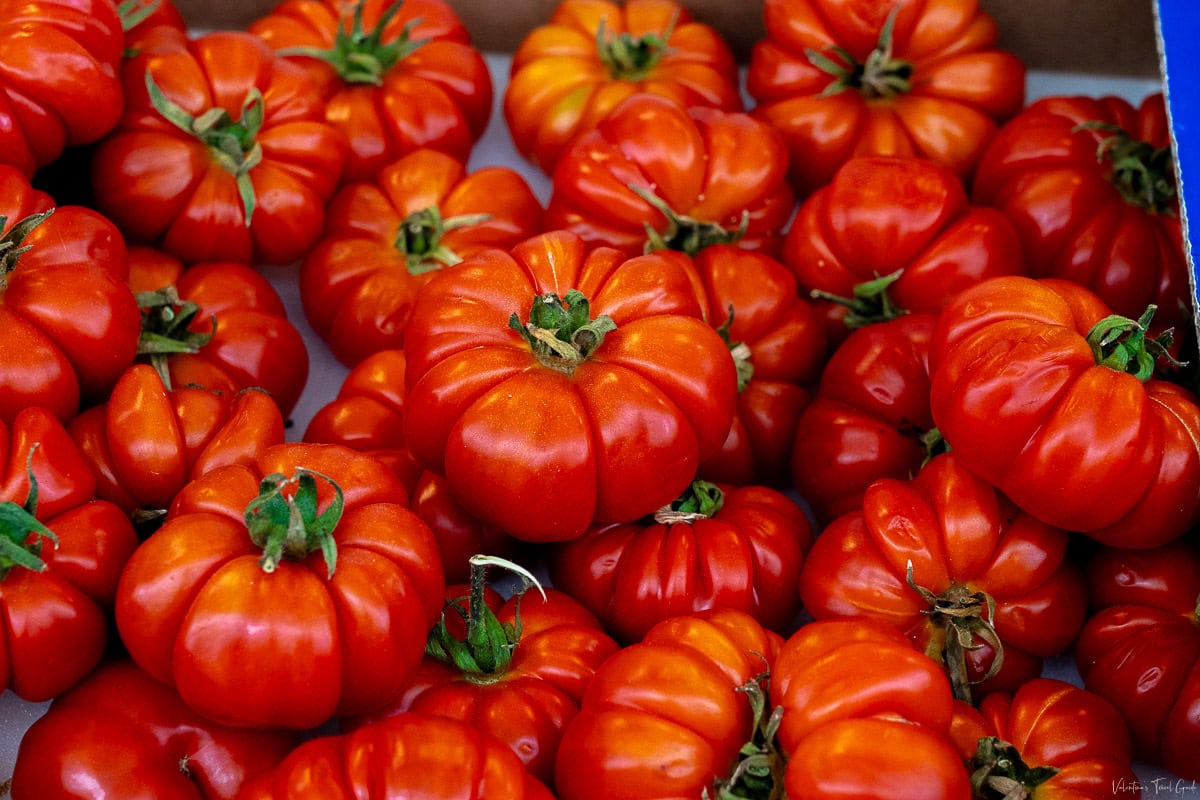
2. Eat food rich in lycopene:
When I’m putting together my waterproof beach bag, a fruit salad is always at the top of my list. Besides being a delicious way to stay hydrated in the heat, it’s also one of my best tips!
It’s all thanks to a powerful antioxidant called lycopene, found in fruits and veggies like watermelon, tomatoes, and pink grapefruits.
A study I stumbled upon found that lycopene acts as an internal shield against UV rays. It’s an incredible part of how to tan safely, as it helps reduce sun-induced skin redness and gives you an extra layer of protection from the inside out.
So while everyone else is just slathering on sunscreen (which you should absolutely still do!), you’ll have a secret weapon working for you with every delicious bite!
Lycopene expert-backed advice:
It’s not just a happy coincidence, science confirms it! A study published in the Journal of Nutrition found that consuming tomato and tomato paste, a concentrated source of lycopene, for a period of 10 weeks provided significant protection against UV light-induced erythema (a fancy word for sunburn).
It shows that a diet rich in lycopene can help your skin build up its natural defenses. So, let’s make some delicious spaghetti with fresh tomato sauce.
MORE TRAVEL ANXIETY TIPS TO HELP YOU PLAN YOUR TRIP
PLAN YOUR TRIP: Discover where to go next with tips on choosing your destination, and use my pre-travel checklist of things to do before leaving home so you can fly away with total peace of mind.
AIRPORT & FLIGHTS: Learn why booking a private airport transfer will reduce your anxiety, and learn how to make the most of your waiting time at the airport. Don’t forget my list of long-haul flight essentials to stay comfortable on board.
PACKING & LOGISTICS: Master the art of the super-organized carry-on with my favorite packing tips, and learn how to travel as a couple while keeping your sanity (and your relationship!) intact.
HEALTH & WELLBEING: Stay comfortable with my guide to travel sickness remedies and expert tips to avoid jet lag and adjust your sleep schedule.
SUMMER CARE: Learn how to stay safe in the sun with homeopathic sunburn remedies and my expert tips on how to get tanned without burning.

3. Prepare your skin by spending some time in the sun before your holiday:
Listen, I’ve been living in London for a while (but I plan to move back to Trieste, my hometown in Italy, very soon), so I know a thing or two about getting a tan without a nearby sea.
My go-to strategy to prepare my skin for a big vacation is to spend some time in a local park. I’ll find a quiet spot and lounge for a few hours in a bathing suit, prepping my skin for what’s to come.
This is a great tip for how to tan in the sun without burning, because it lets your skin gradually adjust. It’s all about a slow and steady approach. And trust me, I never, ever skip my sunscreen. I apply a good 50 SPF sunscreen without fail.
Think of this as training for your skin!
Prep your skin with expert-backed advice:
It turns out this isn’t just me being extra. There’s science behind it! The Cleveland Clinic, a leading medical center, emphasizes that gradual exposure to sunlight is key.
While they make it clear there is no such thing as a “safe tan” (a tan is still a sign of UV damage), they recommend a slow and steady approach to prevent a severe sunburn (but in case you get it, I’ve got a complete guide on how to cure sunburn). The key, they say, is to always use a broad-spectrum sunscreen with an SPF of at least 30 (but 50 is always better), even during this “prep” phase.

4. Always apply an excellent sunscreen of minimum SPF 30 every couple of hours:
I’m going to let you in on one of my most essential tips: you should always apply an excellent sunscreen of minimum SPF 30 every couple of hours.
I know what you’re thinking: can you get a tan with sunscreen? The answer is a resounding YES! This is likely one of the most significant tanning myths out there. I personally use SPF 50 made with aloe vera, and I get very dark anyway, just not burned!
A high SPF doesn’t block your tan; it protects your skin from damage by filtering out a considerable portion of the harmful UV rays, allowing you to achieve a gorgeous, golden glow without the risk of a nasty, painful burn.
It’s genuinely essential to reapply every couple of hours, especially after swimming, to protect your skin from sun damage and the serious risk of skin cancers and melanoma.
Expert-backed advice:
You don’t have to just take my word for it. The science is crystal clear. According to the Skin Cancer Foundation, sunscreen works by filtering out a percentage of UV radiation, not by blocking it completely.
This allows a small amount of UV light to reach your skin, which can still stimulate melanin production and lead to a tan. The key is that a higher SPF allows you to stay in the sun longer before burning, reducing your risk of long-term skin damage.

5. Add on top of it oils that naturally occur SPF:
Since I moved to London from Italy, my skin is no longer used to getting a tan all summer long. Back home, I was at the beach almost every day, but now I only get to catch some sun a few weeks out of the year.
So, last summer, when I landed in Mykonos, I knew I needed to be smart about caring for my skin! My favorite secret weapon is adding oils that naturally have some SPF to my sunscreen.
Let me be clear: this does not mean you can use just oil instead of sunscreen; you’d end up with wrinkles and permanent skin damage. Their SPF is simply too low to provide real protection!
However, adding them to your sunscreen is an excellent way to boost your protection and, most importantly, give your skin a huge dose of hydration. I’m talking about oils like:
- Almond oil (up to 5 SPF)
- Coconut oil (up to 6 SPF)
- Shea Butter (up to 6 SPF)
- Olive Oil (up to 6 SPF)
- Carrot seed oil (up to 40 SPF)
- Red Raspberry Seed oil (up to 50 SPF)
And for an even better, stress-free beach day, I’ve fallen in love with mineral sunscreen with zinc oxide. This natural mineral provides broad-spectrum protection against both UVA and UVB rays. When I used it in Mykonos, my skin looked gorgeous and never got red at all. It’s the perfect mix of powerful protection and skin-loving nourishment!
Expert-backed advice:
It’s always good to check with the pros! Here’s what the science says about these ingredients.
- On Natural Oils: A review published in the International Journal of Cosmetic Science highlights that while some plant oils do possess minor SPF properties, they are too low to offer sufficient protection alone and should not be used as a substitute for scientifically formulated sunscreen.
- On Mineral Sunscreen: The American Academy of Dermatology Association confirms that mineral sunscreens containing zinc oxide are effective at blocking UVA and UVB rays, providing broad-spectrum protection and a great alternative for those with sensitive skin.
Travel Safety Tip: As soon as you book your next adventure, buy good travel insurance in case you need to “unfortunately” delay, extend, or cancel your trip. I usually find good deals on VISITORSCOVERAGE for up to 1 month of trip length and SAFETYWING for longer trips. They are insurance companies that cover everything related to your travel.

6. Choose the right sunscreen for your skin:
When it comes to sun safety, I don’t mess around. This is the ultimate key rule, and it all starts with picking the right sunscreen for your skin. If you get red and sunburned easily, you must, must, MUST use an SPF 50 sunscreen, not less.
If you’re lucky enough to have olive skin, you still need good sunscreen, not less than SPF 30. I always advise SPF 50, regardless of your skin type. When it comes to our health, a little prudence goes a long way.
I know some of you are probably still wondering, do you still tan with sunscreen? The answer is yes, you absolutely do, and this is the healthiest way to get a glow.
My own father is proof of this. He got skin cancer on his back a few years ago because he only applied his sunscreen once and used to spend hours under the sun. They removed it all, thank goodness, but now he can’t get a tan at all and has to stay in the shade even at the beach because the risk of the cancer returning is very high.
In fact, he unfortunately got another one five years later, and while they removed it too, the doctors told him to watch out for more because once you get one, you will probably get others in a few years. That’s why this is the one tip you can never skip.
Expert-backed advice:
This is not something to take lightly. The science is incredibly clear on this. The Skin Cancer Foundation confirms that daily use of a sunscreen with an SPF of 30 or higher reduces the risk of developing squamous cell carcinoma by about 40% and the risk of melanoma by 50%.
They also state that a history of skin cancer greatly increases the risk of future skin cancers. This is why consistent, proper sunscreen use and avoiding excessive sun exposure are non-negotiable for long-term skin health.
Love the organized traveler’s life?
Tired of travel anxiety ruining your getaways?
✈️ Join my community of anxious travelers and unlock stress-free adventures. 🔓 You’ll receive:
- Weekly travel tips & discounts
- Detailed itineraries and a budget planner
- My FREE 42-page guide to becoming a super-organized traveler
And much more! Start planning your dream vacations with confidence.

7. Apply sunscreen after swimming:
This is the most crucial rule of all. It’s so simple, but so many people forget: you must reapply your sunscreen.
Not every sunscreen is waterproof. Tanning oils, for example, are not. So every time you get out of the water, put another layer on. And even if you’re using a waterproof sunscreen, apply it again anyway.
My husband learned this the hard way on our last trip to Barcelona. He underestimated the sun’s power in Spain and applied sunscreen only once before leaving the hotel. He came back to our accommodation red as a lobster.
This is why reapplying is key. You’ll still get a gorgeous tan, and in fact, wondering ‘do you still tan with sunscreen‘ is one of the biggest questions out there. A tan you get with sunscreen is a golden, healthy glow, not a painful, angry burn.
My husband’s story is a perfect example of what can go wrong when you’re not careful. Protecting your skin is a priority.
Expert-backed advice:
There is no such thing as “waterproof” sunscreen. The FDA and the American Academy of Dermatology confirm that all sunscreens are either “water-resistant” for 40 or 80 minutes.
The American Academy of Dermatology explicitly states that you should reapply sunscreen every two hours, or immediately after swimming or sweating. This is because sunscreen wears off from your skin due to water, sweat, and friction.

8. Avoid sunbathing from 12 pm to 4 pm:
My secret is also my secret to avoiding looking five years older. I am talking about avoiding the midday sun. Do you want to ruin your holiday and lose skin like a snake, or end up with a face full of new wrinkles? I didn’t think so.
That’s why I always avoid sunbathing from 12 pm to 4 pm. This is the best time to tan in the sun for a painful sunburn, not a golden glow!
My personal strategy is to get out of the sun and go to a beach bar for a long lunch, have a wine spritzer, and take a blissful nap under a tree on my beautiful new beach towel. This is how you relax on vacation, not by roasting yourself!
Expert-backed advice:
There’s a serious scientific reason behind this. The American Academy of Dermatology strongly advises seeking shade during the peak hours of the day, typically between 10 a.m. and 4 p.m. During this time, the sun’s UV rays are the strongest, and you are most likely to get a severe sunburn.

9. In the first days of the holiday, don’t spend more than 3/4 hours under the sun:
When I land somewhere sunny after a long stretch of cold and cloudy weather, I have one golden rule: I take it slow!
For the first three or four days, I don’t spend more than a few hours sunbathing. Your skin needs time to get used to the intense sun, so don’t try to get a full tan on day one.
I like to sunbathe for a while and then retreat under a big beach umbrella for the rest of the day, relaxing with a great novel on my e-reader. It’s the perfect way to get a head start on your golden glow without the stress of a potential burn.
Expert-backed advice:
There’s a reason doctors tell us to take it easy. The American Academy of Dermatology advises easing into sun exposure, especially if your skin hasn’t seen much sun in a while. A gradual approach helps your skin acclimate and is a key way to prevent a severe sunburn, which significantly increases your risk for skin damage.
YOUR PERFECT BEACH DAY STARTS NOW
Get the checklist that guarantees no essential (or fun!) item is left behind, stress-free.


10. Remember that you get tan even standing under a beach umbrella:
I’m going to tell you a little secret that’s crucial for a perfect tan and avoiding a nasty burn: you can get a tan even while standing under a beach umbrella!
I know, I know, it sounds crazy. I’ve heard so many people say, “I’m under the umbrella, so I’m fine.” Trust me, you can still get a glow.
Unless you’re under one of those giant, thick-leaved thatched umbrellas, a simple cotton umbrella won’t protect you completely (unless you get one of those Beach umbrella with UV 50+ protection my mom just bought).
That’s because the sun’s rays can bounce off the sand and the water and hit you from below. So, no matter where you are on the beach, sunscreen is a non-negotiable step!
Expert-backed advice:
It’s not just a rumor, the science backs this up completely. The Skin Cancer Foundation confirms that UV radiation can be reflected off sand and water, hitting you from different angles even when you are in the shade.
Their experts recommend that you never rely on shade alone for sun protection and always apply sunscreen.
11. Change position frequently:
This is one of my most practical tips about tanning and it’s a game-changer include in my guide. I am talking about the art of turning over.
Don’t be like the poor soul who ends up with an ugly front side brown and a stark white back! To avoid looking like a half-cooked pancake, I make sure to set a timer and change my position every 30 minutes.
While on the beach I love reading on my e-reader and sometimes I’m so hooked from the novel I’m reading that hours may pass without me realizing it.
It’s a simple little trick that ensures every part of your body gets an even, beautiful glow. And don’t forget the weird spots! Make sure you lift your arms and move your legs so you don’t end up with any rogue white patches.
Expert-backed advice:
There’s a good reason dermatologists agree on this one. The American Academy of Dermatology recommends moving around frequently to get an even tan and prevent sunburn. This practice helps ensure you don’t overexpose one specific area of your body, which is what often leads to a painful burn.

12. Wear a strapless top:
If you want to know how to tan without burning and still look completely flawless, here’s my secret: wear a strapless top.
I love them! Nothing ruins a beautiful tan like awkward white lines on the top of your body. When I’m not wearing a strapless swimsuit, I make sure to remove the top laces or opt for a sleeveless dress or top.
This way, you get an even, golden glow and can look perfectly tanned in anything you wear without a single swimsuit mark.
A lot of people wonder, ‘Can you tan through clothes?‘ And the answer is yes, you can, especially with light-colored, loosely woven fabrics, which is why this trick works so well for avoiding lines while still being mindful of the sun.
Expert-backed advice:
There’s a good reason this simple style tip works so well. According to the Skin Cancer Foundation, clothing is one of the best forms of sun protection. However, not all fabrics are created equal.
A dense, dark fabric provides more protection than a white, loosely woven fabric. This is why you can still get a tan or sunburn through a thin top and why this tip is so practical for getting an even, line-free tan.

13. You get tanner when you swim or walk in the shallow:
This is one of my go-to secrets for a perfect tan, and a little exercise! The trick is to take advantage of the sun’s reflection. When you’re in the water, the sun’s rays bounce off the surface, hitting you with even more intensity.
This is why you get tanner when you swim or walk in the shallows. My advice is to make it a fun part of your routine. Go for a walk in the shallows, do a bit of snorkeling, or just go for a nice swim.
While you’re at it, alternate your style with a bit of freestyle and a bit of backstroke to make sure you get a uniform glow all over. It’s a win-win: you get a beautiful tan, and you burn some extra calories to make room for that next scoop of gelato.
Expert-backed advice:
It’s not just a feeling; the science confirms my trick works. The American Academy of Dermatology confirms that UV rays reflect off surfaces like water, sand, and snow, which increases your sun exposure and can make you more susceptible to sunburn (but in case you get it, I’ve got the best guide on how to cure sunburn fast).
This is why it’s especially important to apply and reapply sunscreen when you are in or near the water.

Tired of chaotic travel plans and
last-minute stress?
My 42-page guide on how to plan a super-organized trip is your passport to stress-free adventures! Discover expert travel tips, insider secrets, and actionable advice to transform your travel experience.
From crafting meticulous itineraries to packing like a pro, my guide has you covered. Download now and unlock the key to super-organized travel.
14. Avoid falling asleep while at the beach:
I have a very important rule for: avoid falling asleep at the beach. It’s so easy to do, isn’t it? You feel the warmth on your body, hear the waves, and maybe you’ve just had a long lunch.
You think, “What can happen if I just take a short nap?” Well, you might sleep longer than you thought, probably during the hottest hours of the day, and end up with a terrible sunburn to take care of.
It’s not a great look to have one half of your body turn red while the other half stays white. So please, save the naps for the shade or your air-conditioned room, and if you really can’t resist, set an alarm!
Expert-backed advice:
There’s a serious scientific reason to avoid this temptation. The Centers for Disease Control and Prevention (CDC) warns against falling asleep in the sun.
When you’re sleeping, you are more likely to have uninterrupted exposure to UV rays for a prolonged period, which significantly increases your risk of a severe, painful sunburn. It also makes it impossible to reapply your sunscreen as you should every two hours.
Hey Traveler!
If you find this article helpful, share it on your social media. Maybe someone you know will, too. Let’s help other travelers! Thank you from your super-organized travel blogger!

15. Drink plenty of water:
When you’re out under the sun, there is no more important drink than water. And I mean water, not beer or anything else with alcohol inside. Keeping yourself hydrated is absolutely crucial.
Your skin and body need as much water as possible to protect you from the sun’s warmth and to keep your skin healthy from the inside out. It’s one of my personal favorite tricks for sunburn prevention (but in case you get a sunburn, I wrote a complete guide on how to cure a sunburn fast).
I always bring a reusable water bottle and fill it with sliced lemon, some ice cubes and fresh mint leaves. It’s a delicious way to stay hydrated and is one of the easiest ways to ensure you have a stress-free day on the beach.
It’s not just about staying cool; it’s about your skin’s health. The University of Wisconsin-Madison’s Student Health Services confirms that water is essential for your skin’s health. Proper hydration helps maintain skin elasticity and protects it from damage.
Expert-backed advice:
Additionally, staying hydrated is vital for your body’s ability to regulate its temperature, helping to prevent heat-related illnesses while you’re enjoying the sun.
Want to become a SUPER-ORGANIZED TRAVELER and fight TRAVEL ANXIETY? Check out my Travel Anxiety Tips Page, where you will find all the help, tips, tricks and guides to plan your next adventure in the most organized way!

16. Use an aloe vera gel or an aftersun lotion:
This is one of the most essential tips I can offer, and it all comes down to what you do after being in the sun. For me, 100% natural aloe vera gel is the best aftersun lotion on the market. It’s a pure elixir for your skin, free from any added chemicals.
You can buy it at any pharmacy, or you can even go a step further. When I lived in Italy, I would buy an aloe vera plant and keep it in my home, making a fresh batch every few days.
Cut a piece, leave it in water for a bit to remove the yellow latex, then blend the leaves and apply the gel directly to your skin. If you prefer a store-bought lotion, I never travel without my favorite aloe vera aftersun lotion.
It keeps my skin well-hydrated and soft. No matter what you choose, a good after-sun product is essential for calming your skin and helping with any annoying reactions caused by the sun.
Remember, the goal is always to get a beautiful glow without the damage. Tanning can cause a lot of damage to your body, including melanoma, dehydration, eye damage (always wear sunglasses!), heat rash, and premature skin aging, so please take care of yourself.
Expert-backed advice:
There is a very good reason your skin craves aloe after a long day outside. The Mayo Clinic confirms that aloe vera gel can help soothe minor sunburns due to its anti-inflammatory properties and ability to provide a cooling effect on the skin.
Medical experts also state that while a tan may be viewed as beautiful, it is a sign of skin damage from UV rays, and overexposure can lead to serious health issues like skin cancer and premature aging.

17. Use a moisturizing lotion:
When you’re thinking about getting the best tan, it’s not just about what you do in the sun. It’s about what you do after. My secret to a golden glow that lasts long after my vacation is to use a good moisturizing lotion daily.
I never skip this step! Moisturizing your skin helps to hydrate it from the outside in, keeping your skin healthy and preventing that dreaded peeling and flaking that can ruin a perfect tan.
After a day in the sun, you can even use a rich moisturizer, such as the Aveeno Calm + Restore Oat Repairing Body Lotion, as I do, to help your skin lock in that beautiful glow and stay soft and supple.
Expert-Backed Advice:
There is an apparent reason why this works so well. The American Academy of Dermatology confirms that moisturizers help to hold water in the outermost layer of your skin.
By doing so, they help the skin repair itself and can even soothe dryness, which is often the cause of flaking and peeling after a sunburn. By keeping your skin healthy and hydrated, you help it maintain its color for longer.
YOUR WORRY-FREE COUNTDOWN STARTS NOW
Get the checklist that guarantees you leave home safe and arrive at your destination relaxed.


18. Exfoliate your skin:
When I’m thinking about how to get a tan without burning, my preparation starts long before I even get to the beach. My secret? I exfoliate my skin!
I always make sure to use a gentle scrub or an exfoliating brush a few days before I go on holiday. Removing all those dead skin cells creates a smooth canvas for your tan, helping you achieve a more even glow that lasts significantly longer.
This little ritual helps prevent a patchy, uneven look and is a crucial step in ensuring my skin is ready for the sun.
Expert-backed advice:
There’s a simple scientific reason why this works so well. According to the American Academy of Dermatology, exfoliation removes the outermost layer of dead skin cells, helping to smooth the skin’s surface.
By creating a smoother, more uniform surface, you’re better able to get an even tan.
MORE TRAVEL ANXIETY TIPS TO HELP YOU PLAN YOUR TRIP
PLAN YOUR TRIP: Discover where to go next with tips on choosing your destination, and use my pre-travel checklist of things to do before leaving home so you can fly away with total peace of mind.
AIRPORT & FLIGHTS: Learn why booking a private airport transfer will reduce your anxiety, and learn how to make the most of your waiting time at the airport. Don’t forget my list of long-haul flight essentials to stay comfortable on board.
PACKING & LOGISTICS: Master the art of the super-organized carry-on with my favorite packing tips, and learn how to travel as a couple while keeping your sanity (and your relationship!) intact.
HEALTH & WELLBEING: Stay comfortable with my guide to travel sickness remedies and expert tips to avoid jet lag and adjust your sleep schedule.
SUMMER CARE: Learn how to stay safe in the sun with homeopathic sunburn remedies and my expert tips on how to get tanned without burning.
Want to say Thank You?
Finding all my free tips & info useful and want to thank me for them?
Doing it in the Italian way by buying me a coffee ⤵️

19. Wear a hat and sunglasses:
My accessories are just as essential as my sunscreen. I never go out in the sun without my favorite wide-brimmed hat and a good pair of sunglasses. These aren’t just for style, they’re for protecting the most delicate parts of my body.
A hat shades my face and scalp from direct UV rays, helping me avoid sunburn on my forehead and part of my hair.
Sunglasses, on the other hand, are a must-have for protecting your eyes from sun damage. They allow me to enjoy a relaxing day on the beach without worrying about squinting or risking the health of my eyes.
Expert-backed advice:
There is a very clear reason this works so well. The American Academy of Dermatology recommends wearing a wide-brimmed hat and UV-blocking sunglasses as key parts of a sun protection plan.
A hat provides crucial shade for your face and scalp, while sunglasses protect your eyes from the damaging effects of UV radiation, which can lead to serious eye problems over time.

20. Use an SPF lip balm:
You’ve probably been so busy applying sunscreen to your body and face that you’ve forgotten about this crucial spot. My ultimate secret is always to use an SPF lip balm.
The skin on your lips is fragile and sensitive, making it just as vulnerable to the sun as the rest of your skin, if not more so!
A sunburn on your lips is painful, uncomfortable, and not what you want on vacation. I always have lip balm with at least SPF 30 in my bag and reapply it just as often as I do my sunscreen.
Expert-backed advice:
There is a severe reason to protect your lips from the sun. The Skin Cancer Foundation confirms that skin cancer on the lips is a real danger, and it is most often caused by sun exposure. They recommend using a lip balm with an SPF of 30 or higher to reduce your risk of sunburn and protect your lips.

21. Check the UV index:
This is a piece of advice I can’t stress enough: check the UV index! You can find it on almost any weather app on your phone.
The UV Index measures the strength of the sun’s UV radiation, providing a fantastic way to determine just how powerful the sun is on any given day. Even on a cloudy day, the UV index can still be high, meaning you’re at risk of burning.
I always check it before I head out to the beach. It helps me know precisely how careful I need to be with my sunscreen and time in the sun.
Expert-backed advice:
There is a serious reason to pay attention to this number. According to the Environmental Protection Agency (EPA), the UV Index is a standardized measure of ultraviolet radiation levels. The higher the number, the greater the potential for skin and eye damage.
An index of 3 to 5 is considered moderate, while an index of 8 to 10 or more means a very high risk of harm from unprotected sun exposure.
My Favorite Products for a Sun-Safe Glow:
My Go-To Sunscreen: I never go out in the sun without my favorite SPF 50 sunscreen with aloe vera. As I mentioned before, it’s my first line of defense and the most crucial step. I always make sure it’s a brand I trust, and it’s always SPF 50, no matter what.
The Best After-Sun Lotion: While a pure 100% aloe vera gel is a must-have for me, I also love using a rich after-sun lotion with aloe vera to keep my skin moisturized and soft. It helps lock in my tan and prevents peeling.
My Hydration Partner: To stay hydrated and keep my skin healthy from the inside out, I never leave home without my reusable water bottle. I fill it with fresh lemon and mint to make staying hydrated easy and delicious.
A Must-Have for My Lips: Finally, I always have my SPF lip balm with me. I keep it in my bag, and I reapply it constantly. It’s an essential item that many people forget, but that provides key protection for a very sensitive area.
These are just a few of my favorites, but the most important thing is to find products you love and that work for you.
DID YOU LIKE THIS POST?
Save it on Pinterest!
FAQs about how to tan without burning:

Can you get sunburned on a cloudy day?
Don’t let the clouds fool you, my sun-kissed adventurers! While a thick layer of clouds can certainly cast a cooling shadow and offer a reprieve from the scorching summer sun, it’s not an invisible shield against harmful UV rays.
Here’s the sneaky secret: up to 80% of the sun’s ultraviolet radiation can penetrate even a dense layer of clouds. That means that sunburn is still possible, even on days that seem less than sunshine-y.
Think of it like this: clouds act like a light filter, softening the overall intensity of the sun’s rays, but they don’t completely block them out. UVA rays, a type of ultraviolet radiation associated with premature aging and wrinkles, can easily sneak through cloud cover.
UVB rays, the culprits behind sunburn, might be partially filtered, but enough can still get through to damage your precious skin.
How long does it take to tan in the sun
It’s a common misconception that you can just lie in the sun for hours and get a deeper tan. The truth is, your body can only produce so much melanin in a single day.
According to experts, most people will reach a “tanning plateau” after about 2-3 hours of sun exposure, and at this point, your skin physically cannot produce any more color.
Any time you spend in the sun after this is not adding to your tan, it’s just adding damage and dramatically increasing your risk of a burn. This is a crucial piece of information for anyone who wants to get a tan.
So, instead of trying to lie out all day, it’s smarter to break up your time in the sun into shorter sessions over a few days to build your color safely
What is the best time of day to tan?
This is a tricky question because the most common answer is also the most dangerous. The sun’s UV rays are strongest between 10 a.m. and 4 p.m.
While this might seem like the best time of the day to work on your tan because you get more intense UV exposure, it’s also the most likely time for you to get a severe sunburn. According to the Environmental Protection Agency (EPA), nearly half of the day’s total UV radiation is received during this period, making it the highest-risk time for skin damage.
So, the safest and most effective way to build a tan is to avoid these peak hours entirely. This means the best time to tan is in the morning before 10 a.m. or in the late afternoon after 4 p.m., allowing you to get UV exposure to build your tan without the high risk of damaging your skin.
Before you go…
After all we’ve covered, let’s go back to the most important question of all: can you tan without burning? The answer is a resounding and confident yes! The journey to a beautiful, golden glow isn’t about rushing to get color.
It’s about being smart and patient and making a few simple habits part of your routine. The tip is to embrace the rules we’ve discussed, from finding the perfect sunscreen for your skin to being mindful of the clock and staying hydrated from the inside out.
By applying these tips, you’re not just protecting yourself from a painful sunburn; you’re taking care of your skin’s long-term health. But just in case, I wrote a guide on how to cure sunburn fast at home.
You now have all the tools to get that gorgeous tan you’ve always wanted while avoiding the serious risks that come with too much sun exposure. This guide is your ultimate answer to how to get the best tan on holiday, and it’s all about balancing a golden look with true, lasting skin health.
Now you can go out, apply your knowledge, and have the most fabulous, worry-free summer ever.
Your super-organized travel blogger
Xoxo Valentina
